
Tracing Former Owners of a St. Croix County Property
The online vendor index is a starting point. Official sources never state how far back it reaches. Older transfers may sit in paper books, tract indexes, microfilm, or historical plats, and the Register of Deeds can confirm which of those series survive. Treat coverage as a question, not a settled range. A newspaper clipping or obituary can suggest a name worth chasing. Only a land instrument, though, records the actual transfer of title.
| Source | Years It Covers | Where Held | What It Shows |
|---|---|---|---|
| Tapestry EON / Laredo index | Oldest year not published | Register of Deeds online access page | Locate deed and related filings; vendor fields not captured |
| Deed books and microfilm | Ask the office for available years | Register of Deeds counter or staff | Continue a chain beyond online coverage |
| Plats and CSMs | Dates depend on the recorded survey | Register of Deeds and Land Division | Relate a historic lot to a current parcel |
| Probate case records | Case-specific | WCCA index, Register in Probate, Clerk | Explain an estate transfer or fiduciary name |
A recent transfer starts in the vendor index. Order a confirmed copy from the Register of Deeds. If the online trail stops, call 715-386-4652 and ask which grantor-grantee or tract reference covers the period you need. A deceased owner points you to probate. Use the WCCA case number to request the nonconfidential file, then locate the estate deed in the land records. For a lot born from subdivision, anchor the legal description to its plat or CSM reference. The county's access page lays out its online deed routes.
Check St. Croix County deed index access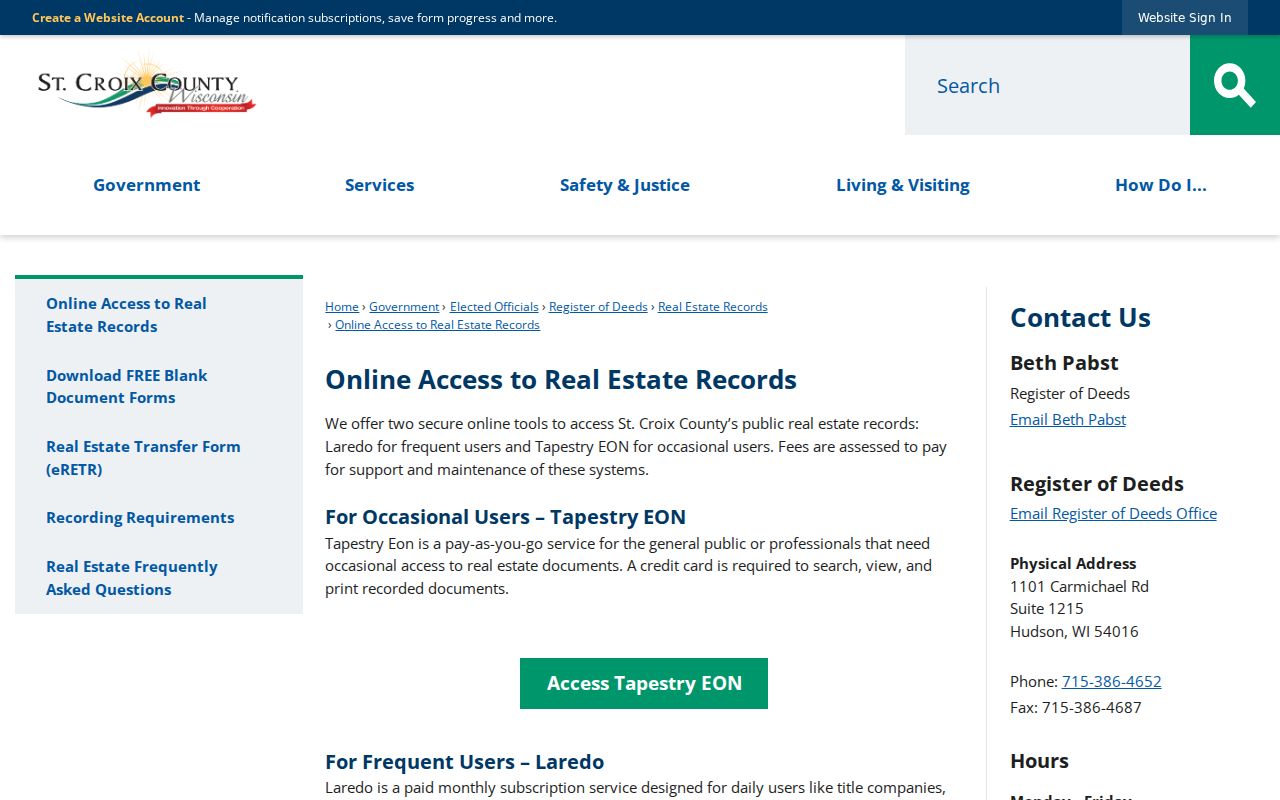
Ask the Register of Deeds which older series are searchable.
Walking the St. Croix County Deed Chain Backward
A deed chain runs through parties, not dates. The grantor conveys; the grantee receives. Begin with a current instrument, then locate the earlier deed naming that grantor as grantee. Match the land description at every step. The countywide system ties deeds, plats, and CSMs together, while town names and parcel descriptions can shift after annexation or division.
- Find the newest known deed and copy its grantee, grantor, date, and full legal description.
- Search the grantor name as a grantee to find the earlier conveyance into that owner.
- Compare lot, block, CSM, or section-township-range details before accepting a name match.
- When the vendor index ends, ask the Register of Deeds about books, tract indexes, or microfilm.
- Grantor
- The party that conveyed an interest in a deed.
- Grantee
- The party that received the interest.
- Chain of title
- The sequence of recorded transfers for one parcel.
- Legal description
- Land wording that can identify a parcel when its street address changes.
St. Croix County Deed Index Depth
Nobody has published an exact start year for the St. Croix County online deed index. Guessing one is worse than admitting the gap. Leave the invented date out of your chain worksheet. The static county pages also omit any imaging cutover year and any complete microfilm inventory. Ask the Register of Deeds whether the parcel's older grantor, grantee, or tract reference sits in a book, on film, or in another index series.
Give staff the current PIN. Add the current legal description, the earliest known deed date, and the names from that instrument. The office sits in Suite 1215, 1101 Carmichael Road, Hudson, and answers 715-386-4652 during published weekday hours. A specific request works. Staff can then name the books to check.
Coverage note. The online cutoff year is not published in the sources captured for this build. Confirm the oldest searchable date with the Register of Deeds before concluding that earlier ownership records do not exist.
St. Croix County Plat and Parcel History
Chains get tangled when land is divided, replatted, or renamed. A tax bill can supply section, township, range, quarter-quarter, acreage, plat name, and lot. The recorded deed or CSM supplies the legal description. Keep every identifier, even outdated wording. An older description often unlocks a book the modern PIN cannot.
County Land Division routes a preliminary map through town review first. It then moves to county Community Development review. The final survey is then recorded with the Register of Deeds. Recording runs $30 per document. Specified plats carry separate charges. That workflow links today's lot to its earlier tract record.
Tie it together on paper. Record the plat name and lot beside each deed reference. That keeps the chain pinned to the right land.
Open St. Croix County Land Division information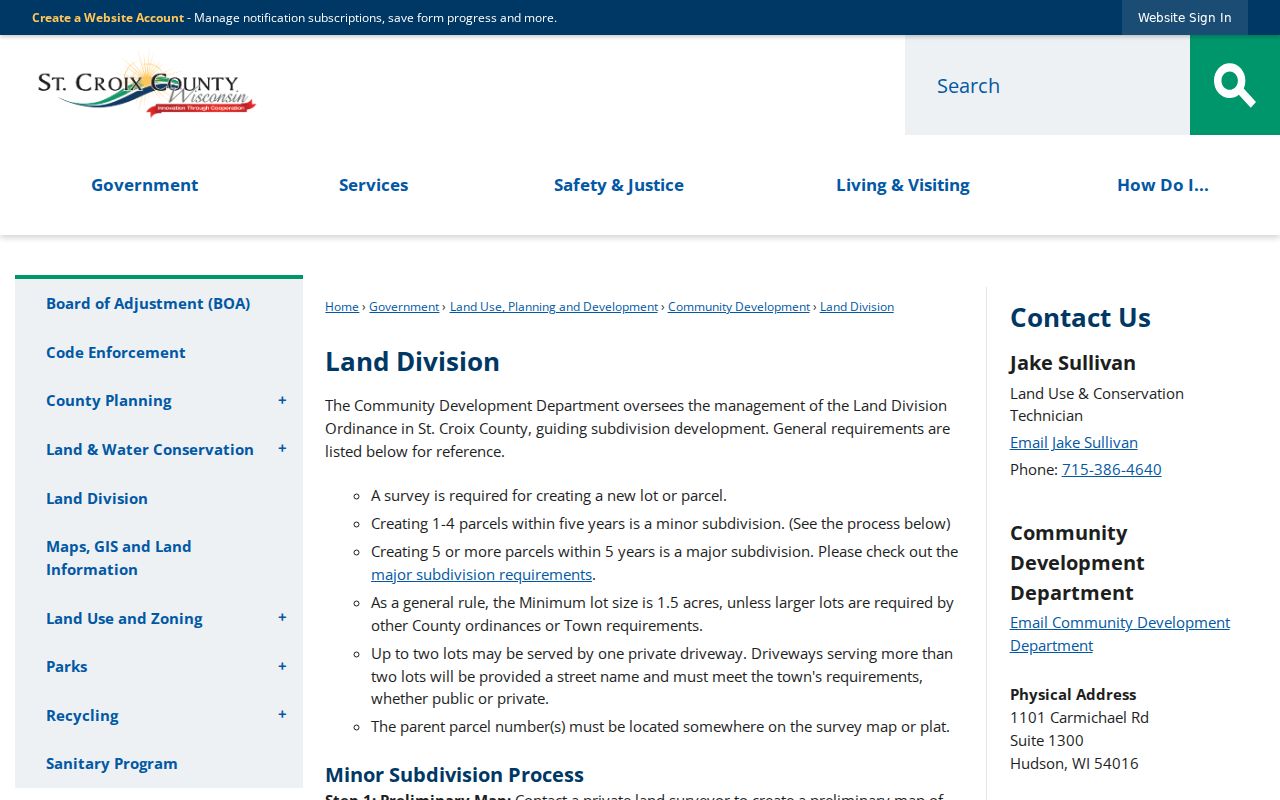
Log the plat name and lot with each deed. That keeps the chain tied to the right piece of land.
St. Croix County Estate Transfers
Probate bridges a death and its deed. Search WCCA by party or case. Write down the case number. Then ask the Register in Probate or Clerk of Courts for the nonconfidential file. Look for a personal representative, executor, trustee, or court-approved conveyance. The Register of Deeds holds the instrument that actually moved the land.
A death certificate is not a deed. Wisconsin DHS and county offices issue vital records under eligibility rules. Those rules include limits on recent deaths. The probate case may explain who held authority to convey. But the recorded deed remains the land-record event worth following. Keep restricted personal details from any court or vital record out of your chain notes.
Search Wisconsin circuit-court cases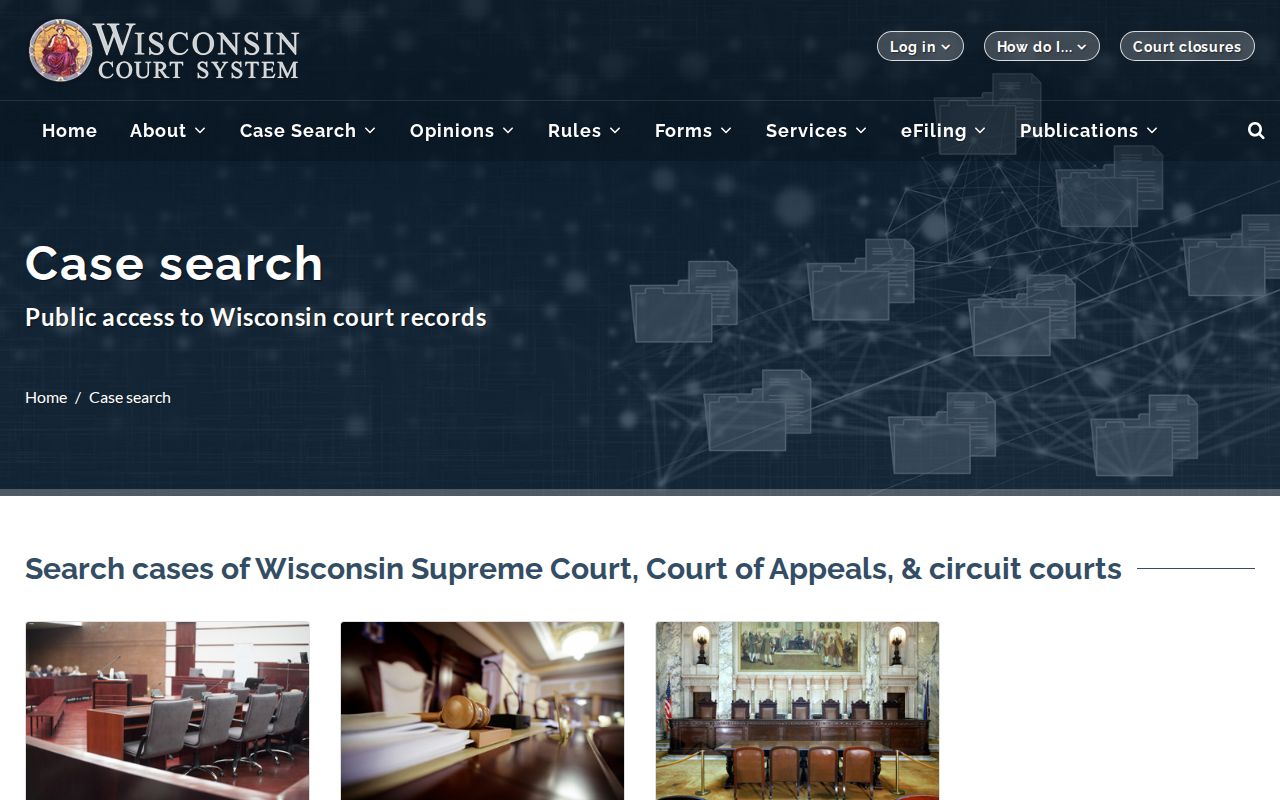
Use the case number to bridge back to the land-record index. It links court action to the county deed.
Review Wisconsin vital-record eligibility
Note: Eligibility limits apply, and a death certificate never substitutes for the recorded deed in a St. Croix County property chain.
St. Croix County Deed Record Shift
Electronic filing reshaped how the St. Croix County recorder takes in documents between 2019 and 2024. The 2024 budget figures list 11,261 documents e-recorded, 1,608 on paper, and 4,328 rejected. St. Croix County logged 10,413 e-recordings in 2023, with 1,595 paper filings and 3,903 rejections. Those totals cover intake only. They say nothing about which years you can search online. They do explain a common split. Newer deed records arrive electronically. Older paper books stay a separate research task.
Family history leads often come from outside the deed records. Obituaries, local directories, and cemetery sources in St. Croix County can point to a former owner's name or a rough date. Treat each as a clue. Then return to the deed index or the office-held books for the land transfer itself.
How Far St. Croix County Records Reach
St. Croix County records reach back through historic paper books and plats, with no courthouse loss or destroyed deed decade in county accounts of its holdings. The earliest deed-book year, local microfilm runs, and any online cutoff vary, so ask staff directly about the parcel's grantor, grantee, and tract records. Do not assume another county's coverage pattern applies here.
Lawful use. Former-owner research is useful for house history, family research, and property due diligence. Do not use a record trail to track, threaten, or harass a living person.
Build a St. Croix County Former-Owner Chain
Start with the known parcel. Find the newest deed. Record the grantor, grantee, recording date, document number, and full legal description. Then search backward, treating each grantee as a later grantor. Confirm the description still points to the same land every step of the way. A subdivision, lot split, boundary correction, or partial conveyance can change the parcel number. The current PIN may no longer match an older instrument's legal reference. Use the plat or CSM to bridge those descriptions. Do not assume the PIN never changed.
Keep dates and source types in separate columns. Each date answers a different question. A deed date, a recording date, a tax-bill year, a court filing date, and a newspaper date are not interchangeable. The 2023 and 2024 e-recording totals for St. Croix County describe intake and rejections, not online coverage of older deed images. When the online index stops, ask staff for help. Staff can point to the book, microfilm, grantor-grantee, or tract record that extends the search. Those records supply the parties plus the parcel description.
Probate and business transitions need their own care. For a death, use the court case to identify the fiduciary. Then return to the deed record. For a trust or company, copy the exact legal name from each instrument. Newspapers, directories, and cemetery records in St. Croix County can help pinpoint a date or former name. Treat those materials as clues, never as proof of ownership.