
How to Find Who Owns a St. Croix County Property
Start with an address and work toward the parcel. From there, open the owner field. Then carry that owner name into the newest recorded deed. That sequence is the reliable path. St. Croix County's Catalis system also lets you search by last and first name. Do this when an owner is already known. Check each match against the situs address and the legal description before trusting it. A GIS parcel map settles boundary questions at a street or municipal edge. The deed index is your next stop. Keep the limits in mind. This method tells you who the county property records name as owner of record. It does not list occupants or amount to a title opinion.
- Search the property address or parcel number in the St. Croix County Catalis public tax portal.
- Copy the parcel's owner name, situs address, and mailing address as separate fields.
- Find the newest recorded deed through Tapestry EON, Laredo, or the Register of Deeds office.
- If the grantee is an estate or entity, use the name on the instrument and check the related probate or business record as a separate clue.
Where St. Croix County Owner Information Comes From
No single record answers the ownership question alone. St. Croix County splits the work across several sources, each with its own job. The tax roll and assessment records carry an owner or taxpayer field. The deed index lists the party who received an interest in the parcel. GIS ties each parcel number to its map context. Estates follow a different trail. WCCA can surface a case number. The Register in Probate handles requests for the nonconfidential file. The recorded deed itself always lives in the Register of Deeds system.
| Source | Owner Info It Gives | Access |
|---|---|---|
| Tax / assessment roll | Owner or taxpayer field and public mailing address | Catalis guest search or Real Property Listing |
| Recorded deed | Grantee and instrument that conveyed an interest | Tapestry EON, Laredo, counter, or written request |
| GIS parcel | Parcel geometry and linked county data | Beacon or COMPAS; informational use |
| Probate case | Estate and court-file clues when a transfer followed a death | WCCA index, then Register in Probate or Clerk |
Expect the sources to disagree now and then. A tax bill goes to whoever was the owner of record at printing time. A deed may have been recorded afterward. Some parcels sit in the name of an LLC, a trust, or an estate. The owner is not always a person. St. Croix County publishes tax addresses as public. But it keeps no owner phone or email on file. So treat the mailing address as a record field. It is not proof the named owner lives on the parcel.
Note: The county FAQ spells out which owner and contact details its records contain.
Read the St. Croix County owner-record FAQ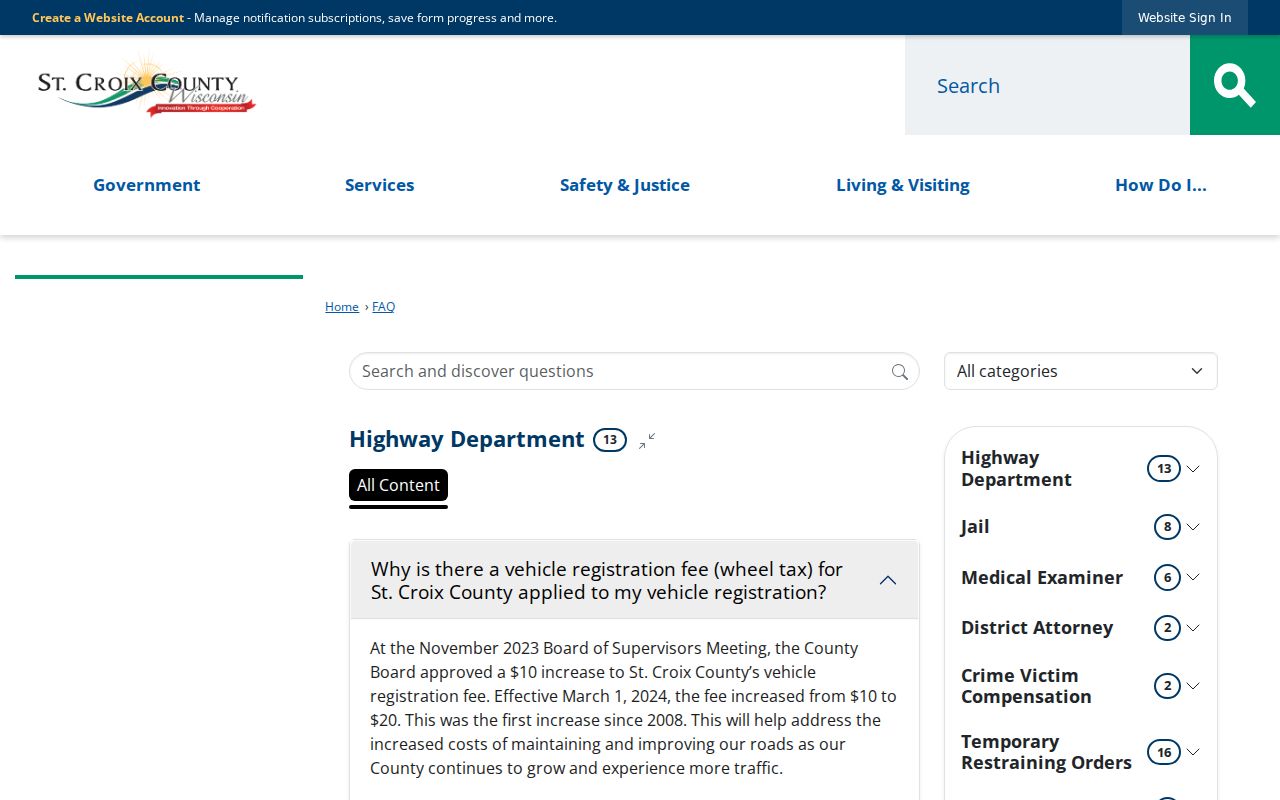
The public mailing field serves lawful property matters only. Keep it separate from the situs address, which is where the land itself sits.
St. Croix County Owner Address Fields
Three fields answer three different questions. The situs address locates the land itself, while the mailing address tells the county where to send the tax bill. The grantee name appears on a recorded transfer. The county FAQ treats the tax address as public record, but it keeps no owner phone number or email on file. Trusts and companies complicate things. When a parcel belongs to an entity, the St. Croix County land record names that entity rather than the people behind it. Do not infer a person from the parcel alone.
An estate transfer adds a step. Search Wisconsin's WCCA system by party or case name to find a public case index entry, and note the case number. Then ask the Register in Probate or Clerk of Courts about a nonconfidential file. The Register of Deeds may hold the estate or personal-representative deed that vested the parcel. A death certificate is not a deed. Vital records carry eligibility limits. For statewide discovery, Wisconsin court case search is the tool.
Open Wisconsin Circuit Court Access
Ask the county office for the probate or court file that matches the case number.
River Falls County Check
River Falls straddles two counties. The city sits partly in St. Croix County and partly in Pierce County, so a street address alone cannot tell you which deed office or tax portal holds the record. Check the parcel geometry and county field first. Then run the owner-to-deed route with the right custodian. St. Croix County systems will not return Pierce County records.
Older deeds tell a messier story. River Falls annexed land from the towns of Kinnickinnic and Troy and later detached some territory back to Kinnickinnic. A deed chain from those years may carry a civil-division name that no longer matches the map. Preserve it when you search. The legal description and recording reference on the deed outweigh any current mailing label or ZIP code.
St. Croix County also lists a free name-triggered alert service for new land-record filings. It can help after a transfer. It is not proof that a notice belongs to a given parcel.
Open the St. Croix County property alert signup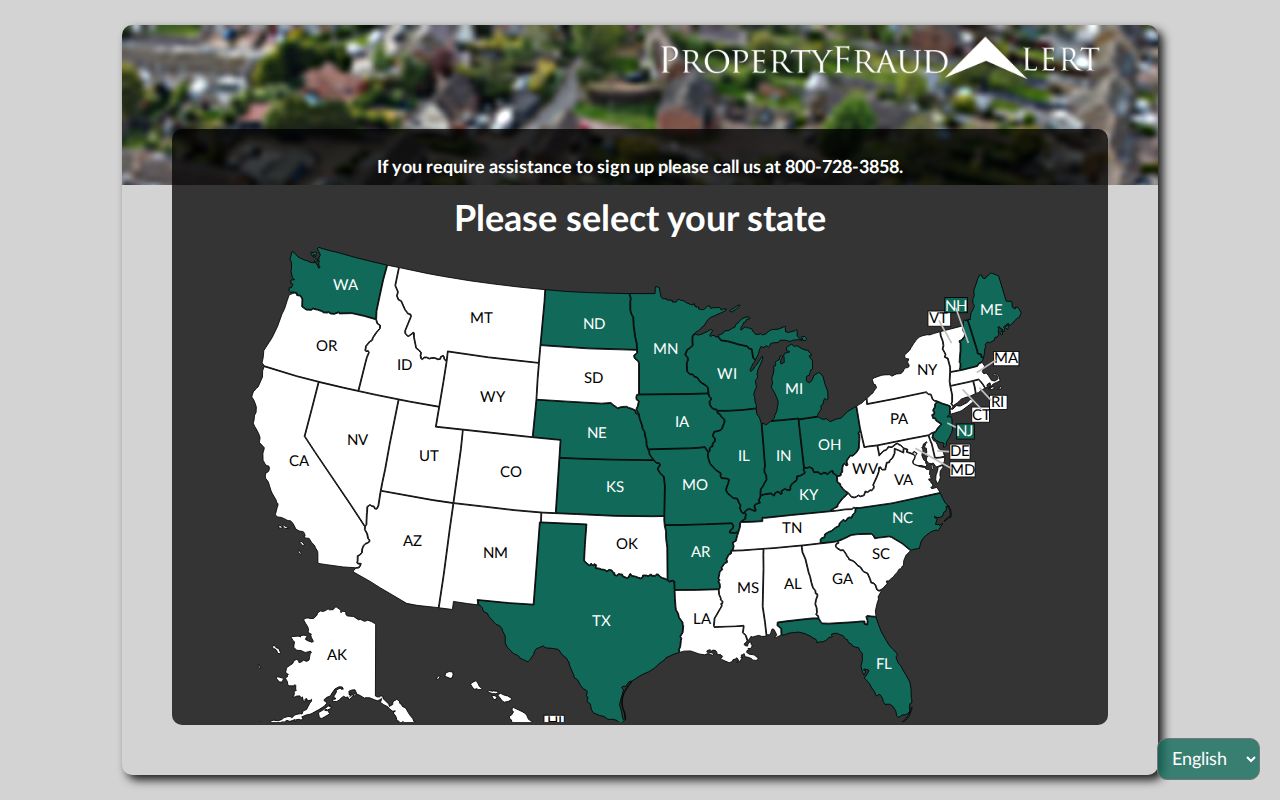
Check the county listed on the alert service, and verify any match with the Register of Deeds.
Confirm Who Owns St. Croix Land
A mismatch between the tax roll and the deed usually comes down to timing. The tax statement may have been printed in mid-December. The county does not reprint it after a later conveyance. That makes the newest recorded deed the stronger evidence of who currently holds title. The parcel roll still works well as a locator. Compare the dates before you trust either record. If an online image disagrees with the office copy, the Register of Deeds advises getting an official copy. For older transfers, the exact index cutoff is not published. Ask about paper books, tract indexes, and microfilm. Write down the parcel number, grantor, grantee, legal description, and instrument reference. Those notes let the next office follow the same trail.
Limits of a St. Croix County Owner Lookup
A parcel roll names an owner or taxpayer of record. It does not confirm who lives at the address. Private phone and email details simply are not maintained by the county. No lookup will surface them. Court, probate, and vital records hold protected material. Public access to one record type does not lift those limits. A deed search cannot promise that no unrecorded claim exists either. Treat any single result as a starting point.
Lawful use. Use an owner name for a property question, purchase review, or civic purpose. Do not use public-record information to stalk, threaten, or harass anyone.
Follow a St. Croix County Owner Search
A name match is only the first step. Confirm you have the right land by checking the property address and parcel number together. Then compare the parcel's owner-of-record field with the most recent deed in the Register of Deeds index. A tax roll exists to locate an account and send a bill. The recorded instrument is what documents the conveyance. If the two names differ, weigh the recording date against the tax year and bill-printing date. Do this before calling one source wrong.
A deceased owner changes the workflow. The court index can identify a probate case, but probate itself does not transfer real estate. Search Wisconsin Circuit Court Access by party or case number. The Register in Probate or Clerk of Courts can explain what is nonconfidential. The probate office number is 715-386-4619. Look for a personal representative or other fiduciary. Then find the land instrument that records the actual transfer. A death certificate is not a deed, and eligibility rules limit access to recent vital records.
Businesses and trusts need exact-name searching. A trade name, a trustee, and a registered agent can each appear as different entries. The property owner can appear separately too. No state business-search link is confirmed here. So start with the grantee named in the deed. Verify the entity through official state records before concluding anything.
When a record is not online, send a focused request to its custodian. Identify the parcel, property address, owner name, record type, and approximate year. Wisconsin Public Records Law allows oral and written requests alike. The office need not build a new list or answer a broad research question. Under DOJ guidance, direct location costs generally must reach $50 before they can be charged. Prepayment may be requested once total costs exceed $5. No fixed deadline applies to every request, so ask for an estimate. Keep the office's response with your parcel notes.
For request rules, use the Wisconsin DOJ public-records guidance. For a probate index, the Wisconsin court case search is the right tool. Neither source supplies a private phone number or proves residence. The county does not maintain owner phone or email data at all.