
St. Croix County Owner of Record
For a present-day lookup, start with the Real Property Listing or the tax record. The county treats the parcel owner as the owner of the deeds of record. A tax bill, by contrast, is just a billing and mailing instrument. A parcel record will usually show the owner field along with addresses, though the county does not state how often the Beacon viewer refreshes that field. When the question involves a recent conveyance, go to the newest recorded deed as the confirmation point. That deed record, not the tax roll, settles who holds title.
| Owner / taxpayer | Name shown on the current parcel or tax record; compare with the latest deed. |
|---|---|
| Mailing address | Where the county sends tax notices; public according to the county FAQ. |
| Situs address | Where the land is located; it can differ from the tax mailing address. |
| Parcel number | Key to carry between the tax, GIS, and deed routes. |
| Deed reference | Use the recorded document and legal description to verify a transfer. |
| Record date | Use the instrument's recorded date; a tax bill may predate a later sale. |
The owner of record is not always an occupant. Land may sit in an LLC, a trust, or an estate, and the parcel record names only the entity or fiduciary. The county keeps no owner phone number or email. The mailing field serves as a public notice address, not a directory of private contact details.
A county FAQ separates the property owner field from the tax mailing field. Each one answers a different question.
Read the county's owner-of-record explanation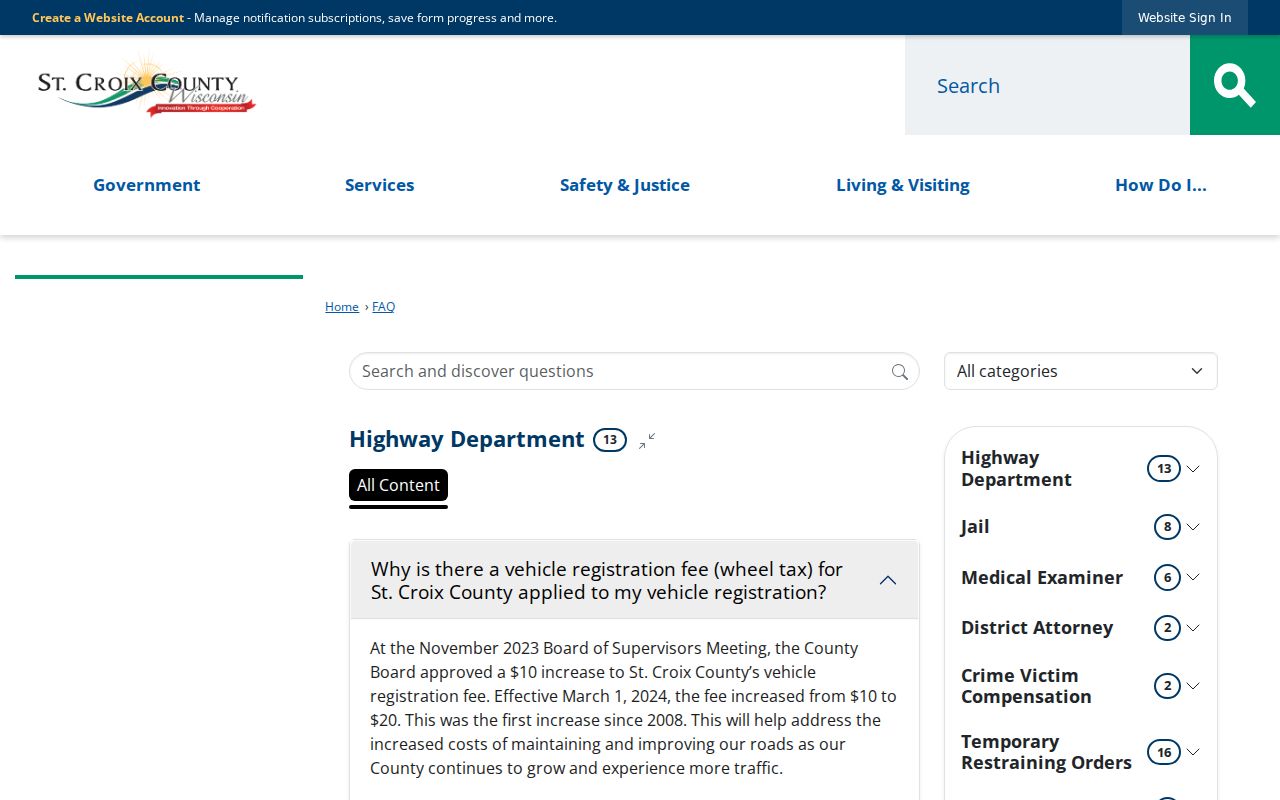
Use the situs address to place the land. Use the mailing address only for the purpose stated in the record.
Confirming the Current Owner in St. Croix County
Confirming ownership in St. Croix County comes down to matching two records. Pull the parcel entry, then find the newest recorded deed for that property. The deed names the grantee, who is the current owner of record. Its legal description should agree with the parcel data line for line. St. Croix County splits its deed records access between Tapestry EON for occasional searches and Laredo for subscribers, though a parcel number alone may not surface every document in either system. When the index or image leaves doubt, the Register of Deeds office can settle it.
- Read the owner or taxpayer field in the St. Croix County parcel and tax route.
- Search Tapestry EON or Laredo for the latest recorded deed and copy its parties and legal description.
- Compare the grantee, parcel, and recording date with the current parcel record.
- If the grantee is an estate or entity, use that name as a separate research clue and keep the underlying deed as the ownership record.
- Owner of record
- The party named in the current parcel record or latest deed.
- Grantee
- The party that received the interest in a recorded conveyance.
- Recording lag
- The gap between a conveyance and the time a tax bill or parcel display reflects it.
St. Croix County Owner Record Timing
St. Croix County publishes no fixed refresh interval for its parcel roll. Timing matters. A deed can be recorded after a tax statement has already been printed, bills go out in mid-December, and the county says a post-printing transfer does not generate a new statement. A bill bearing an earlier owner of record is not, by itself, proof that the deed failed to record.
Start with the dates. Compare the recording date on the deed with the tax year on the tax bill and the current owner field of the parcel record. Names can differ. If they do, bring the parcel number and document reference to the Register of Deeds and Real Property Listing. Keep the legal description handy too. A parcel may have been divided or combined, and the county publishes no exact update cycle, so avoid estimating a number of days.
St. Croix County Entity Owners
A deed in St. Croix County may name a limited liability company, a trust, or a personal representative. It may also name another fiduciary rather than an individual. The public parcel roll often carries that same legal name. An entity filing alone is not proof of land title. The instrument recorded with the Register of Deeds is the conveyance that counts. Treat the recorded entity name as a clue. Verify any business filing through the official state source before relying on it.
Estates work differently. Wisconsin Circuit Court Access can locate the public case index. Note the case number. Then ask the Register in Probate or the Clerk of Courts. Ask for the appropriate nonconfidential record. A probate order or personal-representative document can explain a later deed. It explains the chain of events but does not replace the land instrument itself.
The county's land-record directory gives the deed access choices.
Open the St. Croix County deed access pageThe county identifies Tapestry as its occasional-user vendor.
Open the Tapestry land-record search
Search the index first, then request the office's official document.
St. Croix County Owner Filing Alert
St. Croix County offers a free Property Alert Notification System. It sends a notice whenever a name matching yours shows up in the indexed land records. That kind of signal can be worth a closer look. A matched name is not proof, though. It may point to the wrong parcel. And no alert can stop a transfer or make a record valid. Before acting, compare the document number, the parties named, and the legal description. That way you know the filing truly touches the property you care about.
The county directory explains how to sign up and lists the 1-800-728-3858 help line. If a filing catches you off guard, call the Register of Deeds at 715-386-4652. Save the alert email along with any official copy you obtain. The two together make follow-up much easier.
Use the St. Croix County property alert route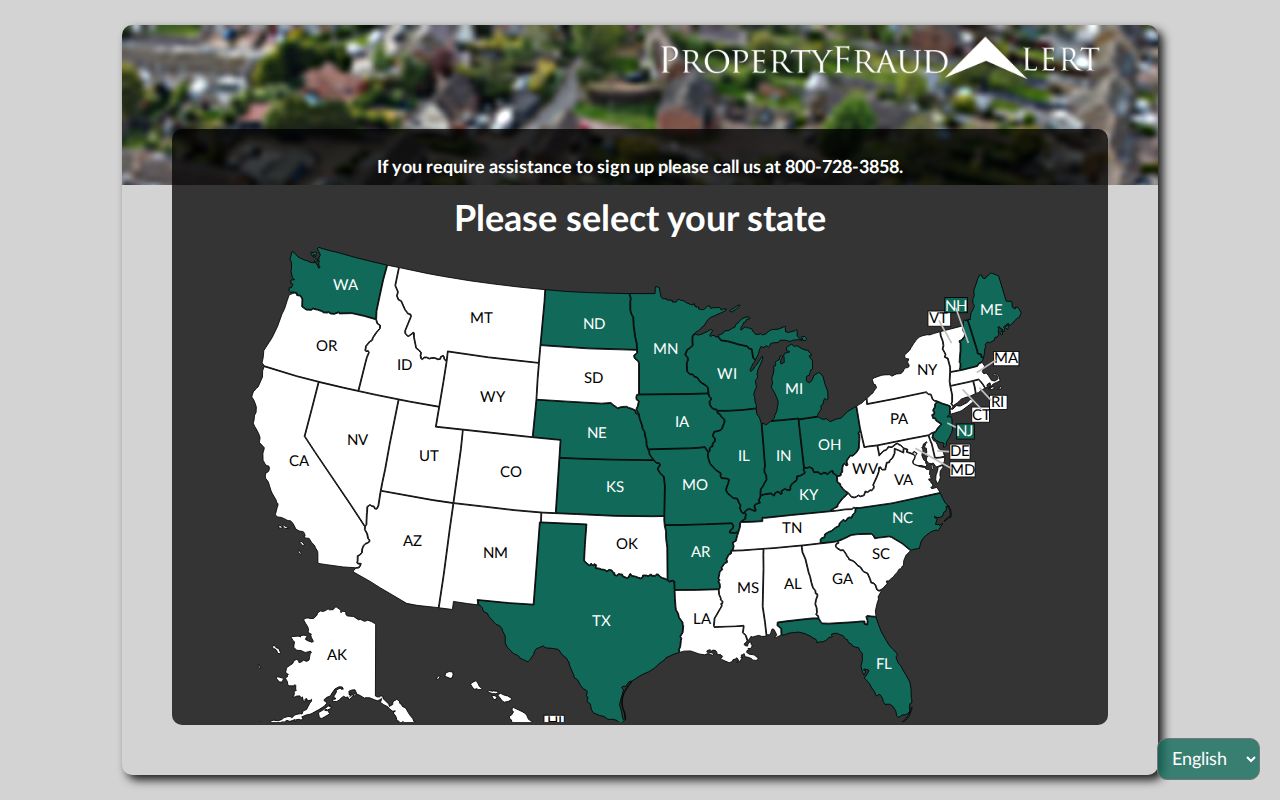
A notification is a reason to verify the record, not a final ownership finding.
St. Croix County Owner Mailing Address
The county's public tax address is where notices go. It may be the proper route for a property-related letter. That address can differ from the land's situs address. St. Croix County does not maintain owner phone or email, so a property search is not a source for private contact details. For a missing record, make a focused request to the office that holds it. The Wisconsin Public Records Law backs that request.
Lawful use. Use the public address only for a legitimate property matter. Do not use owner information to stalk, threaten, or harass a person.
Check the Current Owner Record Date
Which record you consult shapes who counts as the current owner in St. Croix County. The parcel system works well as a locator. The newest deed on file with the Register of Deeds is the stronger proof of an actual transfer. It shows a transfer actually happened. The county's own FAQ puts it plainly: the parcel's owner is the owner to deeds of record. Keep that distinction in mind with tax bills. A printed tax bill is just a billing document. It is not reissued when a transfer happens after bills go out. St. Croix County mails its bills in mid-December. So note the document date and tax year next to any name you copy down.
A stale-looking result deserves a second pass. Search the deed index under the parcel's listed owner and any likely grantee. Then match the legal description, recording date, and instrument number. A deed may transfer only a partial interest. It may also point back to an older parent parcel. The Register of Deeds can tell you which related instrument comes next. The online access page publishes no guaranteed update interval and no oldest searchable year. For anything consequential, order an official copy from the office before you rely on it.
Owner fields are not always simple. The name may belong to multiple people, a trust, an LLC, an estate, or a fiduciary. Copy the spelling and legal suffix exactly as the deed shows it. Do not flatten it into a household name. An estate or court-approved conveyance may be in play. In that case, search the WCCA case index. Call the Register in Probate at 715-386-4619 for help with public case files. A court record can clarify a party's authority. The deed still stands as the land-record entry to compare against.
St. Croix County also offers a free property-filing alert service. It flags name matches in recorded land documents. Enroll, then read each alert against the actual instrument. A similar name may belong to someone else entirely, and an alert never blocks a filing. For a public-copy request, list the PIN, the parties, a date range, and the instrument type. Visit the Register of Deeds at Suite 1215, 1101 Carmichael Road, Hudson. The Treasurer's tax bill is no substitute for the deed trail. The county's online real-estate access page details the Tapestry EON and Laredo options. The Wisconsin court index helps when an estate file may explain a transfer.